Easy Sweet and Sour Chicken Without Deep Frying – A Quick and Delicious Homemade Recipe
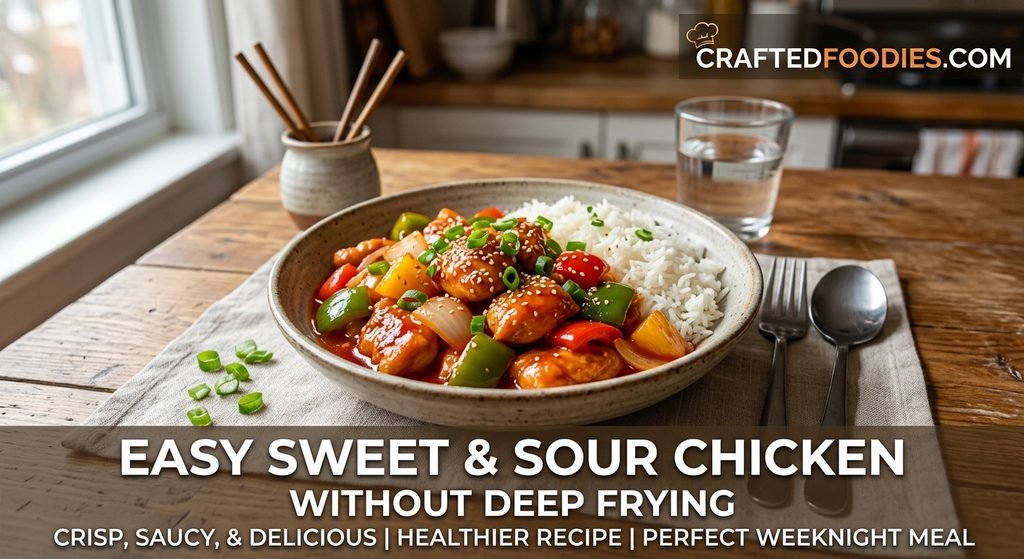
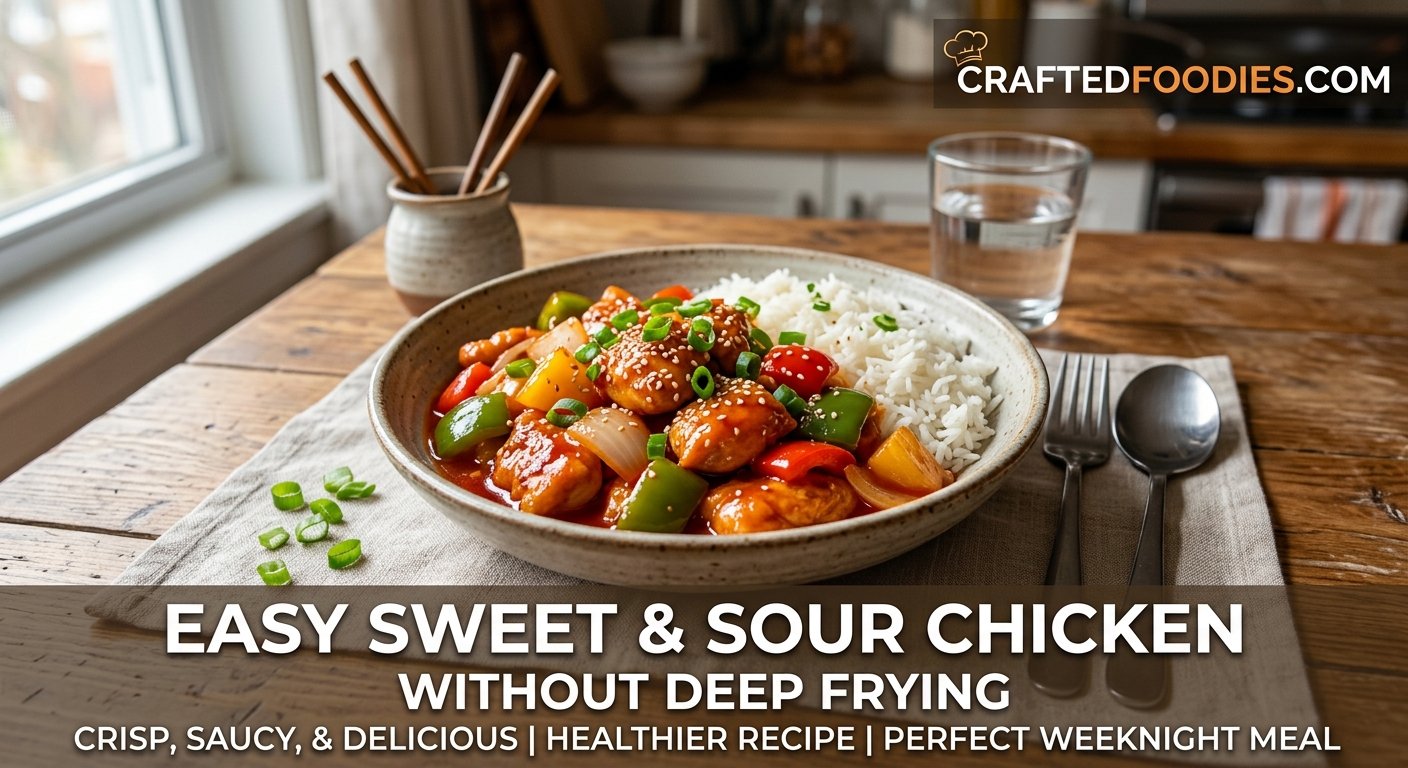
Sweet and sour chicken is a popular takeout favorite known for its crispy chicken, colorful vegetables, and delicious sauce that combines sweetness with a tangy flavor. However, traditional recipes often require deep frying, which means using a large amount of oil and dealing with extra mess in the kitchen. The good news is that you can make easy sweet and sour chicken without deep frying right at home using simple ingredients and a skillet.
This homemade version delivers tender chicken, a glossy sweet and sour sauce, and plenty of flavor without the need for a deep fryer. It is perfect for busy weeknights, family dinners, or whenever you want restaurant-style Chinese-inspired food without ordering takeout.
The best part is that you can prepare this dish with everyday pantry ingredients. Serve it over steamed rice, fried rice, or noodles for a satisfying meal that everyone can enjoy.
In this guide, you will learn how to make sweet and sour chicken on the stovetop, which ingredients work best, how to get golden chicken without deep frying, and how to store and reheat leftovers.
Why You Will Love This Easy Sweet and Sour Chicken Recipe
There are plenty of reasons to add this recipe to your regular dinner rotation.
No deep frying required: The chicken cooks in a skillet with a small amount of oil, making the cooking process simpler and less messy.
Simple ingredients: You can prepare the sauce with ketchup, vinegar, soy sauce, sugar, and a few other basic ingredients.
Quick weeknight dinner: Most of the preparation involves cutting the chicken and vegetables and mixing the sauce.
Better than ordinary takeout: The homemade sauce tastes fresh, and you can adjust its sweetness and tanginess to suit your preferences.
Family-friendly flavor: The sauce is sweet, mildly tangy, and savory without requiring spicy ingredients.
Easy to customize: Add pineapple, bell peppers, onions, or other vegetables to make the meal your own.
Whether you are cooking for yourself or feeding your family, this easy sweet and sour chicken without deep frying is a practical way to enjoy a familiar favorite at home.
What Is Sweet and Sour Chicken?
Sweet and sour chicken is a popular Chinese-American restaurant dish made with chicken and a sauce that balances sweet and acidic flavors. Many restaurant versions feature battered, deep-fried chicken coated in a bright sauce.
For this homemade recipe, the chicken is cooked in a skillet instead of being submerged in hot oil. The sauce is prepared separately and added near the end of cooking, allowing it to coat the chicken evenly.
Although the texture differs from heavily battered restaurant chicken, the dish still delivers juicy chicken, a flavorful sauce, and colorful vegetables.
This version is especially useful when you want a simpler cooking method or prefer not to use large amounts of oil.
Ingredients for Easy Sweet and Sour Chicken Without Deep Frying
You will need a handful of everyday ingredients to prepare this delicious dinner.
For the Chicken
- 1 pound boneless, skinless chicken breast or thighs
- 1 tablespoon cornstarch
- 1/2 teaspoon garlic powder
- 1/2 teaspoon salt, or to taste
- 1/4 teaspoon black pepper
- 1 tablespoon cooking oil
Chicken breast is a convenient option because it cooks quickly and absorbs the sauce well. Boneless chicken thighs are another excellent choice because they tend to remain juicy during cooking.
Cornstarch is optional but recommended. A light coating helps the chicken develop a delicate golden exterior and gives the sauce something to cling to.
For the Sweet and Sour Sauce
- 1/4 cup ketchup
- 3 tablespoons rice vinegar or apple cider vinegar
- 3 tablespoons brown sugar or white sugar
- 2 tablespoons soy sauce
- 1/3 cup water
- 1 teaspoon cornstarch
- 1 teaspoon minced garlic
- 1 teaspoon grated fresh ginger, optional
The ketchup provides color and a mild tomato flavor, while vinegar adds the tangy taste associated with sweet and sour sauce. Sugar balances the acidity, and soy sauce contributes a savory depth.
If you prefer a less sweet sauce, begin with 2 tablespoons of sugar and add more after tasting.
For the Vegetables
- 1 medium bell pepper, cut into bite-sized pieces
- 1 small onion, cut into chunks
- 1/2 cup pineapple chunks, optional
- 1 teaspoon cooking oil, if needed
Red, yellow, and green bell peppers all work well. Pineapple adds natural sweetness and makes the dish taste closer to many restaurant-style versions.
You can leave out the pineapple if you prefer a more savory sauce.
How to Make Sweet and Sour Chicken Without Deep Frying
Follow these simple steps to make flavorful sweet and sour chicken in one skillet.
Step 1: Prepare the Chicken
Start by cutting the chicken into small, evenly sized bite-sized pieces. Try to keep the pieces similar in size so they cook at approximately the same rate.
Pat the chicken dry with paper towels. Removing excess surface moisture helps the chicken brown more effectively.
Place the chicken in a bowl and season it with salt, black pepper, and garlic powder. Add one tablespoon of cornstarch and toss until each piece has a light coating.
You do not need to prepare a thick batter. A thin layer is enough to create a lightly golden exterior without deep frying.
Step 2: Mix the Sweet and Sour Sauce
In a small bowl, combine the ketchup, vinegar, sugar, soy sauce, water, minced garlic, and ginger, if using.
Stir until the sugar begins to dissolve.
In a separate small bowl, mix one teaspoon of cornstarch with a tablespoon of cold water until smooth. This mixture will help thicken the sauce later.
Preparing the sauce before cooking makes the process easier because everything will be ready when the chicken and vegetables are cooked.
Step 3: Cook the Chicken in a Skillet
Place a large nonstick or stainless-steel skillet over medium-high heat. Add one tablespoon of cooking oil and allow it to heat.
Arrange the chicken pieces in a single layer. If your skillet is small, cook the chicken in two batches rather than overcrowding the pan.
Let the chicken cook for a few minutes before turning the pieces. This gives the surface time to develop a golden color.
Continue cooking, turning occasionally, until the chicken is browned and cooked through. The exact cooking time depends on the size of the pieces and the type of chicken used.
Chicken should reach an internal temperature of 165°F (74°C) at its thickest point. Transfer the cooked chicken to a clean plate if you need extra space for the vegetables.
Remember that the goal is to brown the chicken, not to create a thick, crunchy deep-fried coating.
Step 4: Cook the Vegetables
Add a small amount of oil to the same skillet if it looks dry.
Add the chopped bell pepper and onion. Cook for approximately three to four minutes, stirring occasionally.
The vegetables should become slightly tender while retaining some of their natural crunch. Avoid cooking them for too long, as soft vegetables can lose their appealing texture.
If you are using pineapple, add it now and cook for another minute.
Step 5: Add the Sauce
Pour the prepared sweet and sour sauce into the skillet with the vegetables.
Stir gently and bring the mixture to a light simmer. Let it cook for two to three minutes so the flavors can combine.
Give the cornstarch slurry another quick stir, then slowly pour it into the sauce while stirring continuously.
Allow the sauce to simmer until it becomes glossy and slightly thickened. If it becomes too thick, add one or two tablespoons of water.
Step 6: Return the Chicken to the Pan
Add the cooked chicken back to the skillet.
Toss everything together until the chicken and vegetables are evenly coated with the sweet and sour sauce.
Cook for another one to two minutes, making sure the chicken is hot throughout and the sauce coats each piece.
Taste the sauce before serving. Add a little more vinegar if you want extra tanginess, or a small amount of sugar if you prefer a sweeter flavor.
Your easy sweet and sour chicken without deep frying is now ready to serve.
Tips for Making the Best Sweet and Sour Chicken
A few simple techniques can make a noticeable difference in the finished dish.
Cut the Chicken into Even Pieces
Uniform pieces cook more evenly and are easier to coat with sauce. Small bite-sized chunks also make the meal convenient to eat with rice or noodles.
Avoid Overcrowding the Pan
Crowding traps moisture and prevents the chicken from browning properly. If necessary, cook the chicken in batches.
This is one of the most important steps when making skillet chicken without deep frying.
Use a Light Cornstarch Coating
A thin coating can help the chicken brown and improve the sauce’s ability to cling to the meat. Too much cornstarch may create a pasty coating, so use only enough to lightly cover the pieces.
Add the Sauce at the Right Time
Do not pour the sauce over raw chicken at the beginning of cooking. Cooking the chicken first allows it to brown, while adding the sauce later prevents the sugar from burning.
Keep the Vegetables Slightly Crisp
Bell peppers and onions provide texture and balance the soft chicken. Cook them briefly so they remain colorful and slightly crunchy.
Adjust the Flavor Before Serving
Sweet and sour sauce is easy to customize. If it tastes too sharp, add a little sugar. If it tastes too sweet, add a small splash of vinegar. If it is too salty, dilute it with a little water.
Make small adjustments because the flavors become more concentrated as the sauce simmers.
How to Make the Chicken Extra Crispy Without Deep Frying
One common question about this recipe is whether skillet-cooked chicken can become crispy without deep frying.
The answer is yes, to a degree. You can achieve a lightly crisp, golden exterior, although it will not be identical to the thick, crunchy coating found on traditionally deep-fried restaurant chicken.
Here are a few ways to improve the texture.
First, pat the chicken dry before seasoning it. Excess moisture makes browning more difficult.
Second, use a light coating of cornstarch rather than a wet batter. Cornstarch helps form a delicate exterior as the chicken cooks.
Third, heat the skillet before adding the oil and chicken. A properly heated pan encourages browning.
Finally, leave space between the pieces. Crowded chicken tends to steam instead of brown.
For the best texture, add the sauce immediately before serving and toss just long enough to coat the chicken. The longer the chicken sits in the sauce, the softer its exterior will become.
Variations You Can Try
One advantage of homemade sweet and sour chicken is that the recipe can be adjusted to suit different tastes and available ingredients.
Sweet and Sour Chicken with Pineapple
Add half a cup of pineapple chunks to the skillet with the vegetables. Fresh pineapple or canned pineapple works well.
If you use canned pineapple packed in juice, you can replace part of the water in the sauce with a little pineapple juice. Reduce the added sugar if the juice makes the sauce sweet enough.
Sweet and Sour Chicken with Frozen Vegetables
Frozen bell peppers or mixed vegetables can make preparation even easier. Add them according to their package instructions, allowing any excess water to evaporate before adding the sauce.
This is a convenient option when you do not have fresh vegetables available.
Spicy Sweet and Sour Chicken
If you enjoy heat, add a pinch of red pepper flakes or a little chili sauce to the prepared sauce.
Start with a small amount and increase it according to your preference. You can also leave out the spice entirely for a mild family dinner.
Sweet and Sour Chicken Without Soy Sauce
For a soy-free variation, use a suitable soy-free alternative, such as coconut aminos, if available. Check the product label because ingredients and sodium levels vary.
You may need to adjust the salt and sweetness after tasting the sauce.
Sweet and Sour Chicken with Chicken Thighs
Boneless chicken thighs work particularly well when you want a juicy result. Cut them into even pieces and cook until they reach a safe internal temperature of 165°F (74°C).
Thighs may require slightly more cooking time than small pieces of chicken breast.
Sweet and Sour Chicken Without Pineapple
Pineapple is optional. The combination of ketchup, vinegar, sugar, and soy sauce provides the familiar sweet and tangy flavor without it.
If you prefer a less fruity sauce, simply leave the pineapple out.
What to Serve with Sweet and Sour Chicken
Sweet and sour chicken pairs well with a variety of simple side dishes.
Steamed white rice: A classic choice that absorbs the extra sauce and keeps the meal simple.
Brown rice: A hearty alternative with a slightly nutty flavor.
Fried rice: Serve the chicken with vegetable fried rice for a takeout-inspired dinner at home.
Noodles: Plain noodles or lightly seasoned stir-fried noodles complement the sweet and tangy sauce.
Steamed vegetables: Broccoli, carrots, and green beans add color and texture to the plate.
Cauliflower rice: A useful alternative if you want a lighter accompaniment.
For a balanced dinner, serve a portion of chicken and vegetables over rice, then spoon a little extra sauce on top.
Common Mistakes to Avoid
Even a simple recipe can be disappointing if a few details are overlooked.
Using too much oil: You only need enough oil to help brown the chicken. Adding too much defeats the purpose of a lighter skillet method.
Adding wet chicken to the pan: Surface moisture makes browning difficult. Pat the pieces dry before seasoning.
Cooking on very low heat: If the pan is too cool, the chicken may release moisture and become pale instead of golden.
Burning the sauce: Sugar can scorch when exposed to excessive heat. Simmer the sauce gently rather than boiling it aggressively.
Adding too much cornstarch: Excess thickener can make the sauce gummy. Mix the cornstarch with cold water first and add it gradually.
Overcooking the chicken: Small pieces cook quickly, so check their doneness rather than relying entirely on the clock.
Leaving the chicken in the sauce too long: The coating softens as it absorbs moisture. Combine the chicken and sauce shortly before serving for the best texture.
Can You Make Sweet and Sour Chicken Ahead of Time?
Yes. You can prepare some of the ingredients in advance to make dinner quicker.
Cut the chicken and vegetables ahead of time and store them separately in covered containers in the refrigerator. You can also mix the sauce a day ahead and keep it refrigerated in a sealed container.
For the best texture, cook the chicken and vegetables shortly before serving. If you cook the entire dish in advance, the flavors will continue to develop, but the chicken’s exterior will become softer as it sits in the sauce.
When preparing ingredients ahead, keep raw chicken separate from ready-to-eat foods and refrigerate it promptly.
How to Store and Reheat Leftovers
Allow leftover sweet and sour chicken to cool slightly, then place it in a shallow, airtight container and refrigerate it within two hours of cooking.
Properly refrigerated cooked chicken generally keeps for three to four days.
To reheat it on the stovetop, place the chicken and sauce in a skillet over medium-low heat. Add a splash of water if the sauce has thickened during storage. Stir occasionally until the food reaches an internal temperature of 165°F (74°C).
You can also reheat individual portions in a microwave-safe container, stirring halfway through to distribute the heat evenly.
Avoid reheating the same portion repeatedly. Reheat only what you plan to eat.
For longer storage, freeze the cooked chicken in a freezer-safe container. For the best quality, use it within two to three months. Thaw it safely in the refrigerator before reheating.
Keep in mind that freezing and reheating will soften the chicken’s exterior, but the sweet and sour flavor should remain enjoyable.
Frequently Asked Questions
1. Can I make sweet and sour chicken without deep frying?
Yes. You can cook the chicken in a skillet using a small amount of oil. A light coating of cornstarch helps the chicken develop a golden exterior without requiring a deep fryer.
2. Is sweet and sour chicken healthy when made at home?
Homemade sweet and sour chicken can be prepared with less added oil than a deep-fried version. You can also control the amount of sugar and sodium in the sauce. Its overall nutritional value depends on the ingredients, portions, and side dishes you choose.
3. Can I use chicken thighs instead of chicken breast?
Absolutely. Boneless, skinless chicken thighs are juicy and flavorful. Cut them into evenly sized pieces and cook until the internal temperature reaches 165°F (74°C).
4. How do I thicken sweet and sour sauce?
Mix one teaspoon of cornstarch with a tablespoon of cold water, then stir the slurry into the simmering sauce. Cook briefly until the sauce thickens. Add more slurry only if necessary.
5. Can I make this recipe without cornstarch?
Yes. You can omit the cornstarch, although the chicken will have less of a lightly coated exterior and the sauce will be thinner. If available, arrowroot starch may work as an alternative thickener.
6. Why is my sweet and sour sauce too sour?
The vinegar may be too strong for your preference. Add a small amount of sugar, stir, and taste again. A little water can also soften the intensity of the flavor.
7. Can I use apple cider vinegar instead of rice vinegar?
Yes. Apple cider vinegar is a practical substitute. Its flavor is slightly different, so begin with the recommended amount and adjust after tasting.
8. Can I make this recipe without pineapple?
Yes. Pineapple is optional and is not essential to the sauce. The ketchup, vinegar, sugar, and soy sauce create the main sweet and sour flavor.
9. How do I keep the chicken from becoming soggy?
Pat the chicken dry, avoid overcrowding the skillet, and brown the pieces before adding the sauce. Toss the chicken with the sauce just before serving for the best available texture.
10. What is the best side dish for sweet and sour chicken?
Steamed white rice is a classic option. Fried rice, noodles, brown rice, and steamed vegetables also pair well with the sweet and tangy sauce.
Conclusion
Making easy sweet and sour chicken without deep frying is a simple way to enjoy a takeout-inspired dinner at home. With tender chicken, colorful vegetables, and a homemade sauce that balances sweetness and tanginess, this recipe offers plenty of flavor without the need for a deep fryer.
The cooking process is straightforward: prepare the chicken, mix the sauce, brown the chicken in a skillet, cook the vegetables, and combine everything until the sauce becomes glossy and delicious.
You can customize the recipe with pineapple, frozen vegetables, chicken thighs, or extra spices depending on your taste and what you have in the kitchen.
Serve it over steamed rice or noodles for a satisfying meal that works just as well for a busy weeknight as it does for a relaxed family dinner.
Once you try this homemade version, you may find that making sweet and sour chicken from scratch is easier than you expected. Keep the ingredients on hand, adjust the sauce to your liking, and enjoy a flavorful dinner without deep frying.
Recipe Card
Recipe Name: Easy Sweet and Sour Chicken Without Deep Frying
Preparation Time: 15 minutes
Cooking Time: 20 minutes
Total Time: 35 minutes
Servings: 4
Course: Main Course
Cuisine: Chinese-American Inspired
Cooking Method: Skillet
Ingredients
- 1 pound boneless chicken breast or thighs
- 1 tablespoon cornstarch for coating
- 1 tablespoon cooking oil
- 1/2 teaspoon garlic powder
- Salt and black pepper to taste
- 1/4 cup ketchup
- 3 tablespoons rice vinegar
- 3 tablespoons sugar
- 2 tablespoons soy sauce
- 1/3 cup water
- 1 teaspoon minced garlic
- 1 teaspoon cornstarch mixed with 1 tablespoon cold water
- 1 bell pepper, chopped
- 1 small onion, chopped
- 1/2 cup pineapple chunks, optional
Instructions
- Cut the chicken into evenly sized bite-sized pieces and pat dry.
- Season with salt, pepper, and garlic powder, then toss with one tablespoon of cornstarch.
- Mix the ketchup, vinegar, sugar, soy sauce, water, and minced garlic in a bowl.
- Heat the oil in a skillet over medium-high heat and brown the chicken until fully cooked.
- Remove the chicken if necessary, then cook the bell pepper and onion for three to four minutes.
- Add the sauce and bring it to a gentle simmer.
- Stir in the cornstarch slurry and cook until the sauce thickens.
- Return the chicken to the skillet and toss until evenly coated.
- Add pineapple if desired, heat everything through, and serve immediately with rice or noodles.
Recipe Tip: For the best texture, cook the chicken in batches if necessary and add the sauce only after the chicken has browned.
SEO Focus Keyword: Easy sweet and sour chicken without deep frying
SEO Meta Description: Make easy sweet and sour chicken without deep frying using tender skillet-cooked chicken, colorful vegetables, and a homemade sweet and tangy sauce.
Suggested URL Slug: easy-sweet-and-sour-chicken-without-deep-frying