One-Pan Lemon Butter Salmon with Asparagus
There are some dinners that feel like a small celebration even on an ordinary Tuesday, and this one-pan lemon butter salmon with asparagus is one of them. The moment the butter hits the hot pan and the garlic starts to sizzle, the whole kitchen smells like a proper restaurant, and by the time the lemon goes in, everyone seems to drift toward the stove asking what is for dinner. I first made this on a night when I had planned nothing at all, just a couple of salmon fillets in the fridge and a bunch of asparagus that needed using up before the weekend. Twenty minutes later we were sitting down to something that looked and tasted far fancier than the effort involved, and it has been in our regular rotation ever since.
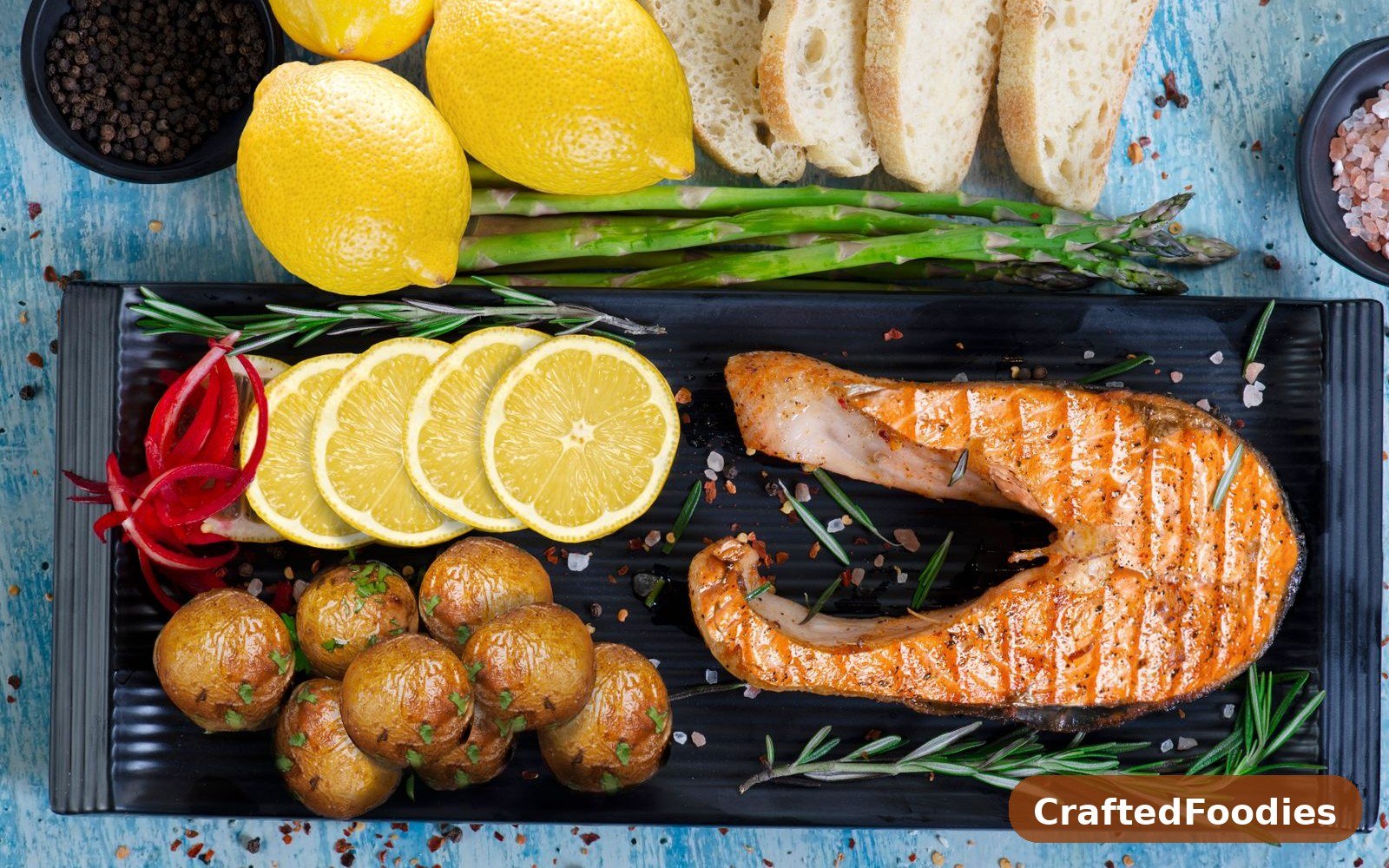
Salmon is one of those ingredients that does most of the work for you. It is rich and flavourful on its own, it cooks in minutes, and it pairs beautifully with the simplest things — butter, garlic, lemon, a little fresh parsley. The asparagus cooks right alongside the fish in the same pan, soaking up the buttery sauce while it stays bright green and just a little crisp. There is no juggling of pots, no timing three different side dishes, and no pile of washing up afterwards. One pan, one burner, one very happy table. That is the kind of cooking I come back to again and again on busy evenings.
What I love about this recipe is how it manages to be both easy and genuinely impressive. If friends drop by unexpectedly, or if you just want to make an ordinary evening feel a bit special, this is the dish to make. The salmon gets a lovely golden crust on the outside while staying tender and flaky inside, and the lemon butter sauce is the kind of thing you end up spooning over everything on the plate. I have served it for quiet family dinners, for a small birthday supper, and once for my in-laws on their first visit to our new house — and every single time, somebody has asked for the recipe before dessert.
It also fits into real life without any fuss. The ingredients are simple and easy to find, the method is forgiving even if you are new to cooking fish, and the whole thing is on the table in about twenty-five minutes from start to finish. You can scale it up for guests or down for two, swap the asparagus for green beans when they are in season, and serve it with rice, potatoes, or just a big chunk of crusty bread to mop up the sauce. However you serve it, the salmon is the star, and that lemon butter is what people will remember long after the plates are cleared.
Why You’ll Love This Recipe
First of all, it is genuinely fast. From the moment you start to the moment you sit down, you are looking at about twenty-five minutes, and most of that is just the salmon cooking while you set the table. There is no marinating, no complicated prep, and no long list of steps to keep track of. You season the fish, heat the pan, and let the butter and lemon do their work. On nights when I get home late and the last thing I want is a fussy recipe, this is the dinner I reach for, because I know it will turn out beautifully even when I am tired and short on patience.
The flavour is another reason this recipe earns its place in the regular rotation. Lemon and butter are a classic pairing for a reason — the butter brings richness, the lemon cuts through it with brightness, and the garlic ties everything together. The asparagus picks up the sauce as it cooks, and a handful of fresh parsley at the end makes the whole pan taste fresh and alive. It is the kind of flavour that makes people go back for a second helping before they have finished the first, and it tastes far more expensive than it is.
It is also wonderfully practical. Everything cooks in one pan, which means less washing up and less juggling on the stove. The salmon and the asparagus share the same cooking time, so nothing gets cold while you wait for something else to finish. If you enjoy this style of cooking, you will love this one-pan chicken and rice for two, which uses the same one-pan idea with a completely different set of flavours. And if your weeknights are anything like mine, having a few of these single-pan dinners in your back pocket makes the whole week feel easier.
Finally, this is a dinner that works for almost any occasion. It is light enough for a warm summer evening, elegant enough for guests, and comforting enough for a cold night when you want something that feels like a treat. Kids tend to like it too, especially the buttery asparagus, and the leftovers — if there are any — make a wonderful lunch the next day flaked over a salad or tucked into a wrap. Simple, reliable, and delicious is a combination that never goes out of style, and this lemon butter salmon delivers all three.
Ingredients You’ll Need
- 4 salmon fillets (about 170 g / 6 oz each), skin on or off
- 1 bunch asparagus (about 250 g / 9 oz), woody ends snapped off
- 3 tablespoons unsalted butter
- 1 tablespoon olive oil
- 4 cloves garlic, thinly sliced
- 1 lemon, half juiced and half cut into thin slices
- 1 teaspoon lemon zest
- 1/2 teaspoon fine sea salt
- 1/2 teaspoon black pepper, freshly ground
- 1/2 teaspoon smoked paprika
- 2 tablespoons fresh parsley, finely chopped
- 1 tablespoon capers, drained (optional)
- Extra lemon wedges, for serving
How to Make One-Pan Lemon Butter Salmon with Asparagus
Start by getting everything ready before the pan gets hot, because once the salmon goes in, things move quickly. Take the fillets out of the fridge and pat them very dry with paper towels, top and bottom, and do not skip this step. Dry fish is what gives you that beautiful golden crust, and any moisture left on the surface will just steam in the pan instead of browning. Season both sides generously with salt, pepper, and smoked paprika. While you are at it, snap the woody ends off the asparagus, slice the garlic, and cut the lemon — half for juice, half for thin slices. Having everything within reach makes the whole cook feel calm instead of rushed.
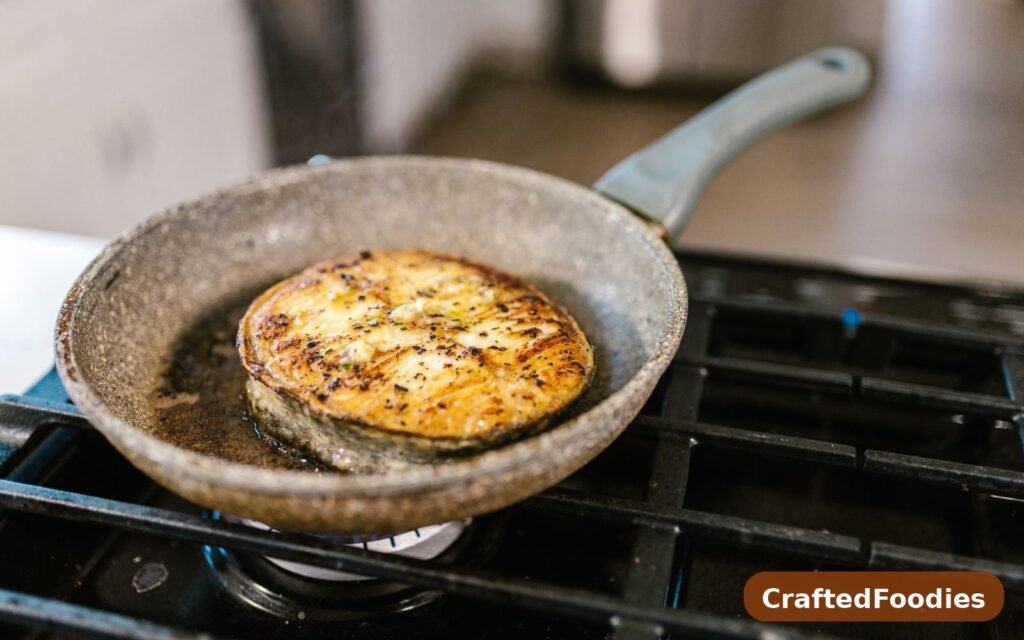
Heat a large skillet over medium-high heat and add the olive oil and one tablespoon of the butter. When the butter has melted and is just starting to foam, lay the salmon fillets in the pan, skin-side down if they have skin, leaving a little space between each one. Do not crowd the pan, and whatever you do, do not move the fillets around. Let them sit undisturbed for about four minutes so the skin crisps and the flesh develops a proper golden crust. You will see the colour creeping up the sides of the fish, and that is exactly what you want. If your weeknights are usually a scramble, keeping a few fast dinners like these quick dinner recipes with frozen vegetables on hand makes evenings like this one feel far less stressful.
Flip the salmon gently with a fish spatula or a wide, thin spatula, and add the asparagus to the pan around the fillets. Push the asparagus into the buttery juices so it starts to cook and pick up flavour right away. Cook for another three to four minutes, turning the asparagus once or twice so it cooks evenly and stays bright green. The salmon is done when it flakes easily with a fork but is still a little translucent in the very centre — that is the sweet spot between juicy and cooked through. If your fillets are very thick, give them an extra minute, but be careful not to overcook them, because salmon dries out quickly once it goes past that point.
Now comes the best part: the lemon butter sauce. Turn the heat down to medium-low, push the salmon and asparagus to one side of the pan, and add the remaining butter, the sliced garlic, the lemon juice, and the lemon zest. Let the butter melt and bubble gently for about a minute, stirring it around the pan so the garlic softens without browning. Add the capers if you are using them, lay the lemon slices over the top, and spoon the sauce over the salmon and asparagus a few times so everything is glossy and coated. The sauce will smell incredible — garlicky, lemony, and rich all at once. Take the pan off the heat, scatter over the fresh parsley, and serve straight from the pan while it is still hot.
Tips for Perfect Lemon Butter Salmon
The single biggest tip I can give you is to pat the salmon completely dry before it goes in the pan. I know it sounds fussy, but it genuinely makes the difference between fish that sears and fish that steams. Paper towels, a few seconds per fillet, and you are done. The second thing is pan temperature. A properly hot pan is what gives you that golden crust, so let the oil and butter get properly hot before the fish goes in — you should hear a confident sizzle the moment the salmon touches the metal. If you are new to cooking fish, the BBC Good Food salmon recipe collection is a lovely reference for different ways to cook it, from roasting to grilling.
Do not move the salmon once it is in the pan. I know it is tempting to nudge it or peek underneath, but leaving it alone is what lets the crust form. The fish will release itself from the pan when the crust is ready — if it sticks when you try to flip it, give it another thirty seconds and try again. A good fish spatula helps enormously here, because it slides under the fillet cleanly without breaking it. And when you do flip, be gentle. Salmon is delicate, and a rough flip can break a beautiful fillet into pieces before it even reaches the plate.
Watch the garlic closely, because it goes from golden to burnt in no time at all, and burnt garlic turns bitter and can spoil the whole sauce. That is why I add it after the salmon has cooked, when the heat is lower. The same goes for the lemon juice — add it at the end, off the highest heat, so it stays bright and fresh rather than cooking down into something dull. If you want a deeper lemon flavour, add the zest early with the seasoning and the juice at the end. And if you are after a completely different way to cook salmon on a busy night, this air fryer salmon method is wonderfully hands-off and just as tasty.
Choose your salmon wisely. Fresh fillets that are roughly the same thickness will cook evenly, so try to pick pieces that match. If one end of a fillet is much thinner than the other, it will overcook while the thick end is still catching up. Centre-cut fillets are the most even, but any fillet will work if you keep an eye on it. As for the asparagus, look for stalks that are firm and bright green with tight, closed tips, and snap off the woody ends rather than cutting them — the stalk will naturally break exactly where the tender part begins.
Finally, do not overcook the fish. Salmon is at its best when the centre is still slightly translucent and the flesh flakes into large, moist pieces. The moment you see white fat (albumin) starting to push out of the sides, the fish is done or very nearly done, so take it off the heat. Remember that the salmon keeps cooking for a minute or two after it leaves the pan, so pulling it off just before you think it is ready is usually the right call. A little practice and you will get a feel for it quickly.
Variations to Try
Once you have the basic recipe down, it is easy to make it your own. For a spicier version, add a pinch of chilli flakes to the butter sauce, or a teaspoon of Dijon mustard whisked into the lemon juice before it goes in the pan. The heat works beautifully against the richness of the butter, and a little mustard gives the sauce a lovely tang that pairs wonderfully with the salmon. If you like things even simpler, skip the capers and add a spoonful of honey to the sauce instead — the sweetness balances the lemon in a way that kids especially seem to love.
For a heartier version, add baby potatoes to the pan. Parboil halved baby potatoes for about ten minutes first, then add them to the skillet with the salmon so they crisp up in the buttery juices. It turns the dish into a complete one-pan meal that needs nothing else on the side. You can also swap the asparagus for green beans, broccolini, or sugar snap peas when they are in season — anything that cooks quickly and picks up a buttery sauce will work. If you are building a collection of simple potato dinners, this easy potato dinner without cheese is a lovely budget-friendly option to add alongside this salmon.
If you are cooking for someone who does not eat fish, the same lemon butter sauce works beautifully with chicken. Use thin chicken breasts or cutlets, cook them for about five minutes per side until golden and cooked through, and finish with the same garlic, lemon, and butter sauce. The asparagus stays exactly the same. You can also try this with cod, sea bass, or any firm white fish — just adjust the cooking time, since white fish cooks a little faster than salmon and can dry out if left too long.
For a dairy-free version, swap the butter for a good olive oil and add an extra squeeze of lemon at the end. The sauce will be lighter and brighter rather than rich, but it is still delicious, and the garlic and parsley carry plenty of flavour on their own. And if you want to make it feel a little fancier for guests, finish the pan with a splash of white wine before the lemon juice goes in — let it bubble for a minute to cook off the alcohol, and it adds a lovely depth to the sauce that tastes like something from a restaurant kitchen.
Serving Ideas
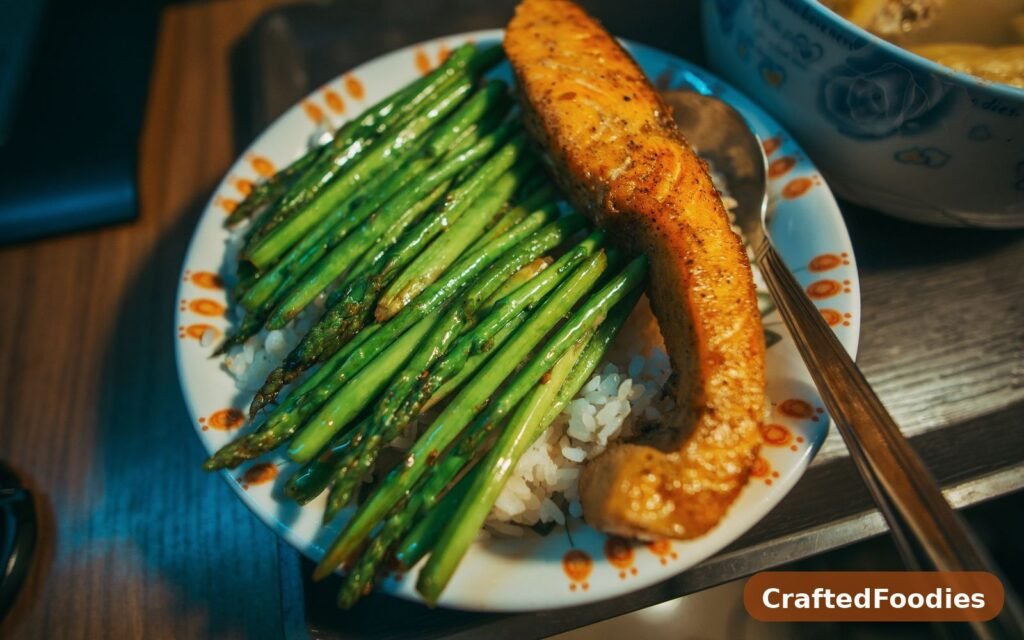
The simplest way to serve this salmon is straight from the pan with a big bowl of fluffy rice or a pile of creamy mashed potatoes, and honestly, that is all it really needs. The rice soaks up the lemon butter sauce beautifully, and the asparagus adds colour and freshness to the plate. A few lemon wedges on the table let everyone squeeze over a little extra brightness, and a hunk of crusty bread is always welcome for mopping up whatever sauce is left in the pan. It is a dinner that feels complete without any fuss.
For a lighter meal, serve the salmon and asparagus over a big green salad with cucumber, cherry tomatoes, and a simple lemon and olive oil dressing. The warm fish wilts the leaves just slightly, and the buttery sauce means you barely need any dressing at all. Or, if you would rather have noodles, a bowl of garlic noodles with vegetables alongside makes a lovely, light pairing. In summer, I like to serve it with new potatoes tossed in butter and herbs, a tomato salad, and a glass of something cold. For a more grown-up spread, add roasted garlic, a grain salad, or some garlicky sautéed spinach alongside. The salmon is flexible enough to go with almost anything, which is part of why I make it so often.
If you are feeding kids, the salmon goes down a treat with rice and a little extra lemon butter spooned over the top — the familiar buttery flavour makes it an easy sell even for picky eaters. Flake any leftover salmon into wraps or sandwiches the next day with a little mayonnaise and lettuce, or toss it through warm pasta with the leftover sauce for a quick lunch. And do not forget the lemon wedges. A squeeze of fresh lemon over the hot salmon right before eating lifts every flavour on the plate, and it is the one finishing touch I never skip.
Storage and Reheating
Leftover lemon butter salmon keeps well for a day or two, which is one of the reasons I often make an extra fillet on purpose. Let the salmon and asparagus cool completely, then store them in an airtight container in the fridge for up to two days. Keep any leftover sauce in a separate small container and spoon it over the fish when you reheat it — it keeps the salmon moist and brings back a lot of the flavour. The salmon is also lovely cold, flaked into salads or sandwiches, and I often pack it for lunch the next day exactly like that.
To reheat, the oven is your best friend. Place the salmon in a baking dish, add a spoonful of the saved sauce or a splash of water, cover loosely with foil, and warm it in a 160°C (325°F) oven for about ten minutes until heated through. The microwave works in a pinch — about a minute on medium power, covered with a damp paper towel — but the salmon will lose some of its texture, so the oven is worth the extra few minutes when you have them. Whatever you do, reheat gently. Salmon that is blasted with high heat turns dry and chalky very quickly, and there is no bringing it back once that happens.
For longer storage, cooked salmon freezes reasonably well, though the texture is never quite as good as fresh. Wrap each cooled fillet individually in cling film, then pop them into a freezer bag with the air pressed out, and label with the date. They will keep for up to two months. Thaw overnight in the fridge before reheating, and never refreeze fish once it has been thawed. The asparagus does not freeze well once cooked, so I would only freeze the salmon itself and cook fresh asparagus when you are ready to serve it again.
Frequently Asked Questions
Can I use frozen salmon fillets for this recipe?
Yes, you can, but thaw them completely first. The best way is to leave them in the fridge overnight, or if you are short on time, put the sealed fillets in a bowl of cold water for about thirty minutes. Once thawed, pat them very dry with paper towels, exactly as you would with fresh salmon. Cooking salmon from frozen will steam rather than sear, and you will never get that golden crust, so the thawing step is worth it.
How do I know when the salmon is done?
The salmon is done when it flakes easily with a fork but is still slightly translucent in the very centre. That usually takes about four minutes on the first side and three to four minutes on the second, depending on thickness. If you see white fat starting to push out of the sides, the fish is done or very nearly done, so take it off the heat. A thermometer is the most reliable check — you are aiming for about 52–54°C (125–130°F) in the centre for medium, or 60°C (140°F) if you prefer it fully cooked through.
Can I use skinless salmon fillets?
Absolutely, and they work just as well. Skin-on fillets give you a lovely crispy skin and a little extra protection against overcooking, but skinless fillets cook a touch faster and are easier to eat for some people. Just be a little more gentle when flipping, since skinless fillets are more delicate, and reduce the cooking time by about a minute on the first side. The lemon butter sauce works beautifully either way.
What can I use instead of asparagus?
Green beans are the easiest swap — they cook in the same time and pick up the buttery sauce just as well. Broccolini, sugar snap peas, or even zucchini cut into ribbons all work beautifully. In winter, when asparagus is out of season and expensive, I often use green beans or a handful of spinach wilted right into the sauce at the end. Whatever you choose, add it to the pan at the same point you would add the asparagus, and keep an eye on it so it stays bright and a little crisp.
Can I make this recipe ahead of time?
This is really a dish best served fresh, since salmon dries out when reheated and asparagus loses its colour. That said, you can do all the prep ahead — trim the asparagus, slice the garlic, zest and juice the lemon, and season the salmon up to a few hours in advance. Keep everything covered in the fridge, then the actual cooking takes only about fifteen minutes when you are ready to eat. It is a great one to prep in the afternoon and cook in the evening.
Is this recipe gluten-free?
Yes, as written it is naturally gluten-free. Salmon, asparagus, butter, garlic, lemon, and parsley are all gluten-free, and there is no flour or breadcrumb coating involved. Just double-check your smoked paprika and any capers you use, since a few brands can contain additives, but in most cases you are completely fine. Serve it with rice or potatoes rather than bread and the whole meal stays gluten-free.