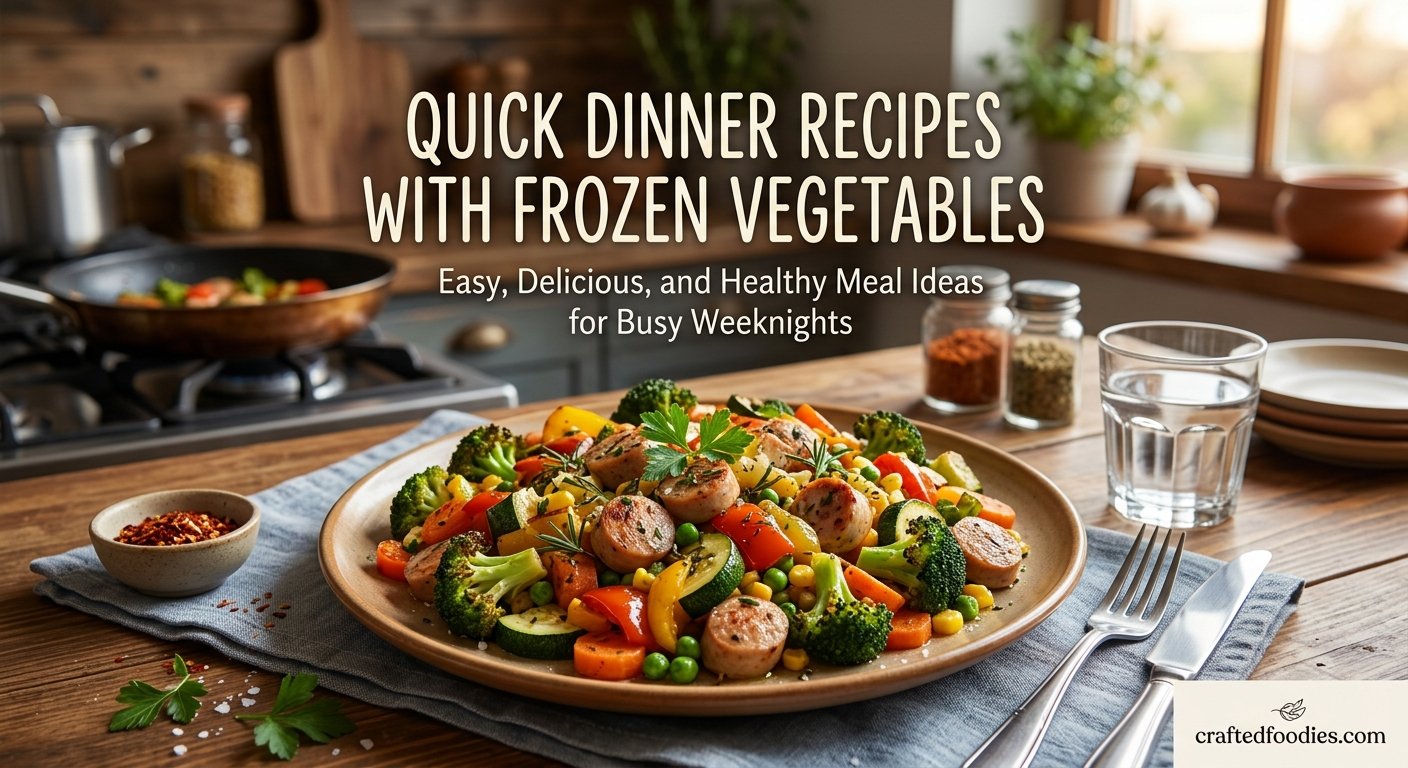
Quick Dinner Recipes with Frozen Vegetables: Easy, Delicious Meals for Busy Nights
Finding time to prepare a homemade dinner after a long day can be challenging. Between work, family responsibilities, and everyday tasks, spending an hour in the kitchen is not always possible. Fortunately, quick dinner recipes with frozen vegetables make it easy to prepare delicious, satisfying meals without spending too much time chopping, washing, or preparing fresh produce.
Frozen vegetables are affordable, convenient, and available throughout the year. Whether you have frozen broccoli, mixed vegetables, peas, carrots, green beans, or corn in your freezer, you can turn these simple ingredients into a variety of flavorful dinners. Combine them with chicken, rice, pasta, eggs, beans, or potatoes to create meals that fit your schedule and your family’s preferences.
The best part is that you do not need complicated ingredients or advanced cooking skills. With a few pantry staples and a bag of frozen vegetables, you can prepare a comforting dinner in approximately 15 to 30 minutes.
In this guide, you will discover easy dinner ideas, useful cooking tips, ingredient combinations, and practical ways to make frozen vegetables taste delicious.
Why Frozen Vegetables Are Perfect for Quick Dinners
Frozen vegetables are one of the most useful ingredients to keep in your kitchen. They help reduce food waste, save preparation time, and make it easier to cook balanced meals at home.
Unlike fresh vegetables that may spoil after a few days, frozen vegetables can stay in your freezer until you need them, provided they are stored properly. This means you can prepare dinner whenever you want without making an extra trip to the grocery store.
Here are a few reasons to use frozen vegetables in your everyday cooking.
1. They Save Preparation Time
Most frozen vegetables are already washed, trimmed, peeled, or chopped. You can add them directly to soups, stir-fries, rice dishes, and pasta recipes without spending time preparing individual vegetables.
2. They Are Budget-Friendly
Buying frozen vegetables can be an economical way to add variety to your meals. Frozen mixed vegetables are particularly useful because one bag often contains several vegetables, allowing you to prepare different dinners from the same package.
3. They Are Available All Year
You do not have to wait for a particular season to enjoy vegetables such as peas, corn, broccoli, or green beans. Frozen options make it possible to prepare your favorite recipes throughout the year.
4. They Help Reduce Food Waste
Fresh vegetables sometimes spoil before you have a chance to use them. Frozen vegetables allow you to take out the amount needed for one meal and return the remaining package to the freezer.
5. They Work in Many Recipes
You can use frozen vegetables in almost any dish that involves cooking. They are especially useful in fried rice, creamy pasta, chicken skillets, vegetable soups, casseroles, and one-pan dinners.
Best Frozen Vegetables for Easy Dinner Recipes
Different vegetables work better in different meals. Choosing the right combination can make your dinner more flavorful and satisfying.
- Frozen mixed vegetables: Perfect for fried rice, chicken skillet meals, soups, and quick casseroles.
- Frozen broccoli: Excellent for pasta, chicken dinners, rice bowls, and skillet recipes.
- Frozen peas and carrots: A classic combination for fried rice, soups, and simple chicken dishes.
- Frozen green beans: Great for garlic butter vegetables, chicken skillets, and side dishes.
- Frozen corn: Adds natural sweetness to rice bowls, pasta, soups, and Mexican-inspired meals.
- Frozen spinach: Works well in pasta, omelets, soups, and creamy chicken dishes.
- Frozen cauliflower: Useful for roasted-style sides, curries, vegetable bowls, and casseroles.
- Frozen bell peppers: Convenient for fajitas, stir-fries, and chicken and rice dishes.
You can use a single vegetable or combine several varieties depending on what you already have in your freezer.
1. Easy Chicken and Frozen Vegetable Skillet
A chicken and vegetable skillet is one of the easiest ways to prepare a complete dinner without using several pots and pans. Tender chicken, colorful vegetables, and simple seasonings create a flavorful meal that works well for busy weeknights.
Ingredients
- 2 boneless, skinless chicken breasts, cut into small pieces
- 2 cups frozen mixed vegetables
- 1 tablespoon olive oil
- 2 cloves garlic, minced
- 1 teaspoon paprika
- 1/2 teaspoon black pepper
- Salt to taste
- 1/2 teaspoon dried oregano
- 2 tablespoons water or chicken broth
Instructions
- Heat the olive oil in a large skillet over medium-high heat.
- Add the chicken pieces and season with salt, black pepper, paprika, and oregano.
- Cook the chicken, stirring occasionally, until browned and cooked through.
- Add the minced garlic and cook for approximately 30 seconds.
- Add the frozen mixed vegetables directly to the skillet.
- Pour in the water or chicken broth, then stir everything together.
- Cover the skillet for a few minutes until the vegetables are tender and heated through.
- Remove the lid and cook briefly to allow excess moisture to evaporate.
Serve this chicken skillet with rice, bread, or roasted potatoes.
Time-saving tip: Cut the chicken into evenly sized, bite-sized pieces so it cooks faster. Always make sure chicken reaches an internal temperature of 165°F (74°C).
2. Quick Vegetable Fried Rice
Vegetable fried rice is an excellent option when you have leftover rice in the refrigerator. Frozen peas, carrots, corn, and other vegetables add color and flavor without requiring extra preparation.
Ingredients
- 3 cups cooked, chilled rice
- 1 1/2 cups frozen mixed vegetables
- 2 eggs
- 2 tablespoons cooking oil
- 2 tablespoons soy sauce
- 2 green onions, sliced
- 1 clove garlic, minced
- Black pepper to taste
Instructions
- Heat one tablespoon of oil in a large skillet or wok.
- Add the frozen vegetables and cook until heated through and excess moisture has evaporated.
- Move the vegetables to one side of the skillet.
- Add the remaining oil and scramble the eggs until fully cooked.
- Add the garlic and stir briefly.
- Add the cooked rice and break up any clumps.
- Pour in the soy sauce and mix everything together.
- Add the green onions and black pepper, then cook for another two minutes.
Your quick vegetable fried rice is ready to serve.
For a more filling dinner, add cooked chicken, shrimp, tofu, or canned beans. If you are using leftover rice, refrigerate it promptly after cooking and reheat it thoroughly before serving.
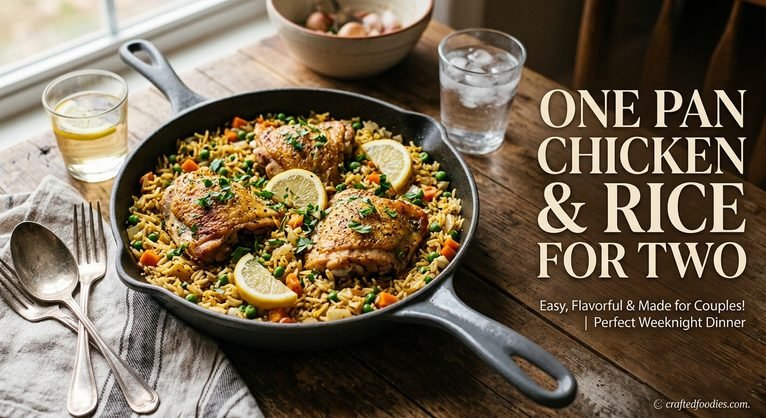
3. One-Pan Chicken and Vegetable Rice
If you want a comforting dinner with minimal cleanup, one-pan chicken and vegetable rice is a great choice. The rice absorbs the flavor of the broth, while frozen vegetables add color and texture.
Ingredients
- 1 cup long-grain rice, rinsed
- 1 pound boneless chicken thighs, cut into small pieces
- 1 1/2 cups frozen mixed vegetables
- 2 cups chicken broth
- 1 tablespoon olive oil
- 1 small onion, chopped
- 2 cloves garlic, minced
- 1/2 teaspoon paprika
- Salt and black pepper to taste
Instructions
- Heat the olive oil in a deep skillet or saucepan.
- Add the chicken and cook until lightly browned.
- Add the onion and garlic, stirring until fragrant.
- Stir in the paprika, salt, and black pepper.
- Add the rinsed rice and mix it with the chicken.
- Pour in the chicken broth and bring the mixture to a gentle boil.
- Reduce the heat, cover, and cook according to the rice package instructions.
- Add the frozen vegetables at a point that allows them to cook through without becoming overly soft. The timing will depend on the vegetables and rice.
- Cover again and continue cooking until the rice is tender, the liquid has been absorbed, and the chicken is fully cooked.
Let the dish rest for a few minutes before serving.
This recipe is easy to customize. Add frozen broccoli, green beans, or corn, or change the seasonings to suit your taste.
4. Easy Vegetable Pasta with Garlic
Vegetable pasta is ideal when you need a quick, comforting dinner without preparing a complicated sauce. Garlic, olive oil, and a little pasta water create a simple coating that brings the ingredients together.
Ingredients
- 8 ounces pasta
- 2 cups frozen broccoli or mixed vegetables
- 3 cloves garlic, minced
- 2 tablespoons olive oil
- 1/4 cup grated Parmesan cheese, optional
- Salt and black pepper to taste
- 1/2 teaspoon Italian seasoning
- 1/2 cup reserved pasta water, as needed
Instructions
- Cook the pasta in salted water according to the package instructions.
- Reserve some pasta water before draining.
- Meanwhile, heat the olive oil in a skillet over medium heat.
- Add the garlic and cook briefly without allowing it to burn.
- Add the frozen vegetables and cook until tender and heated through.
- Add the drained pasta to the skillet.
- Sprinkle in the Italian seasoning, black pepper, and salt as needed.
- Add a little reserved pasta water and toss until the ingredients are lightly coated.
- Finish with Parmesan cheese if desired.
For extra protein, add cooked chicken, white beans, or chickpeas. You can also stir in a spoonful of cream cheese or a splash of milk if you prefer a creamier sauce.
5. Quick Vegetable and Egg Stir-Fry
A vegetable and egg stir-fry is an affordable dinner that requires very little preparation. Eggs provide protein, while frozen vegetables create a colorful base for a satisfying meal.
Ingredients
- 3 eggs
- 2 cups frozen mixed vegetables
- 1 tablespoon cooking oil
- 2 cloves garlic, minced
- 1 tablespoon soy sauce
- 1/2 teaspoon ground black pepper
- 2 cups cooked rice or noodles, optional
Instructions
- Heat the oil in a large skillet.
- Add the frozen vegetables and cook until they are heated through.
- Add the garlic and stir for about 30 seconds.
- Push the vegetables to one side of the skillet.
- Crack the eggs into the empty side and scramble until fully cooked.
- Mix the eggs with the vegetables.
- Add soy sauce and black pepper.
- Serve as it is or spoon the mixture over cooked rice or noodles.
This recipe is easy to adapt with mushrooms, frozen spinach, green beans, or bell peppers. For a spicy version, add chili flakes or your favorite hot sauce.
6. Creamy Chicken and Broccoli Pasta
Creamy chicken and broccoli pasta is a family-friendly dinner that feels comforting without requiring a long cooking process. Frozen broccoli makes the recipe especially convenient.
Ingredients
- 8 ounces pasta
- 1 chicken breast, cut into small pieces
- 2 cups frozen broccoli florets
- 1 tablespoon olive oil
- 2 cloves garlic, minced
- 3/4 cup milk
- 1/3 cup grated Parmesan cheese
- Salt, black pepper, and Italian seasoning to taste
Instructions
- Cook the pasta according to the package directions.
- Heat olive oil in a skillet and cook the chicken with salt, pepper, and Italian seasoning.
- Add the garlic and stir briefly.
- Add the frozen broccoli and a small splash of water.
- Cover the skillet until the broccoli is tender.
- Pour in the milk and stir gently.
- Add the Parmesan cheese and allow the sauce to thicken slightly over low heat.
- Add the cooked pasta and toss everything together.
Avoid boiling the sauce aggressively after adding the milk and cheese. Gentle heat helps maintain a smooth texture.
For a dairy-free version, use an unsweetened plant-based milk and a suitable dairy-free cheese alternative.
7. Easy Frozen Vegetable Soup
Vegetable soup is a wonderful option for chilly evenings or nights when you want something light but satisfying. Frozen vegetables make the preparation simple, and pantry ingredients help build flavor.
Ingredients
- 3 cups frozen mixed vegetables
- 4 cups vegetable or chicken broth
- 1 small onion, chopped
- 2 cloves garlic, minced
- 1 tablespoon olive oil
- 1 can white beans, drained and rinsed
- 1/2 teaspoon dried thyme
- Salt and black pepper to taste
Instructions
- Heat the olive oil in a large pot.
- Add the onion and cook until softened.
- Add the garlic and thyme.
- Pour in the broth and bring it to a gentle boil.
- Add the frozen vegetables and white beans.
- Reduce the heat and simmer until the vegetables are tender.
- Season with salt and black pepper.
- Serve warm with crusty bread or toast.
You can also add small pasta, cooked rice, shredded chicken, or diced potatoes. If adding pasta directly to the soup, adjust the broth as needed because pasta absorbs liquid while cooking.
8. Quick Beef and Frozen Vegetable Stir-Fry
Beef stir-fry is a delicious alternative when you want something more substantial than a vegetable-only meal. Frozen vegetables make it possible to prepare this dinner quickly without chopping several different ingredients.
Ingredients
- 1 pound thinly sliced beef
- 2 cups frozen stir-fry vegetables
- 1 tablespoon cooking oil
- 2 cloves garlic, minced
- 2 tablespoons soy sauce
- 1 teaspoon grated ginger, optional
- 1 teaspoon cornstarch mixed with 2 tablespoons water, optional
- Black pepper to taste
Instructions
- Heat the oil in a large skillet over medium-high heat.
- Add the beef in a single layer and cook until browned.
- Add the garlic and ginger.
- Stir in the frozen vegetables and cook until tender.
- Add the soy sauce and black pepper.
- If you prefer a thicker sauce, stir in the cornstarch mixture.
- Cook briefly until the sauce thickens and the beef reaches a safe internal temperature.
Serve over rice or noodles for a complete dinner.
For the best texture, avoid overcrowding the skillet. If necessary, cook the beef in batches before adding the vegetables.
9. Cheesy Vegetable and Potato Skillet
When you want a meatless dinner, potatoes and frozen vegetables are a simple combination that can be both filling and flavorful. A small amount of cheese adds richness, but you can leave it out if you prefer a dairy-free dish.
Ingredients
- 3 medium potatoes, diced
- 2 cups frozen mixed vegetables
- 1 tablespoon olive oil
- 1/2 teaspoon paprika
- 1/2 teaspoon garlic powder
- Salt and black pepper to taste
- 1/2 cup shredded cheddar cheese, optional
Instructions
- Cut the potatoes into small, evenly sized pieces.
- Heat the olive oil in a large covered skillet.
- Add the potatoes, paprika, garlic powder, salt, and black pepper.
- Add a few tablespoons of water and cover the skillet.
- Cook until the potatoes are nearly tender, stirring occasionally.
- Add the frozen vegetables and continue cooking until heated through.
- Remove the lid and allow excess moisture to evaporate.
- Sprinkle cheese over the top if desired, then cover briefly until melted.
This meal works well on its own or alongside a fried egg, grilled chicken, or a simple green salad.
10. Quick Chicken Noodle Soup with Frozen Vegetables
Chicken noodle soup is comforting, easy to prepare, and a practical way to use leftover cooked chicken. Frozen vegetables provide the flavor and texture of a homemade soup without lengthy preparation.
Ingredients
- 2 cups cooked shredded chicken
- 1 1/2 cups frozen mixed vegetables
- 4 cups chicken broth
- 1 cup egg noodles
- 1 small onion, chopped
- 1 clove garlic, minced
- 1/2 teaspoon dried parsley
- Salt and black pepper to taste
Instructions
- Pour the chicken broth into a saucepan and bring it to a simmer.
- Add the onion, garlic, and frozen vegetables.
- Cook for several minutes until the vegetables begin to soften.
- Add the egg noodles and cook according to the package directions.
- Stir in the cooked shredded chicken.
- Add parsley, salt, and black pepper.
- Continue heating until the chicken is thoroughly hot and the noodles are tender.
Serve immediately for a warm and satisfying dinner. If you expect leftovers, cooking the noodles separately can help prevent them from becoming too soft during storage.
Tips for Cooking Frozen Vegetables Perfectly
Frozen vegetables can taste delicious when cooked correctly. However, adding too much water or cooking them for too long can make them soft and watery.
Use these simple tips to improve your results.
Do Not Thaw Every Vegetable First
Most frozen vegetables can be added directly to hot pans, soups, and casseroles. Thawing is usually unnecessary and may release extra moisture.
However, if a recipe requires dry vegetables for roasting or a crisp stir-fry, follow the recipe’s specific instructions.
Use a Hot Pan
For stir-fries and skillet dinners, heat the pan before adding the vegetables. A hot cooking surface helps moisture evaporate more quickly.
Avoid Overcrowding
Adding too many frozen vegetables to a small pan can lower the temperature and cause them to steam rather than sauté. Use a large skillet or cook in batches when necessary.
Season at the Right Time
Garlic, herbs, spices, pepper, and sauces can make frozen vegetables more flavorful. Add delicate ingredients such as minced garlic near the end of cooking to prevent burning.
Do Not Overcook
Check the vegetables regularly and cook them until they reach your preferred tenderness. Smaller vegetables, such as peas and corn, generally cook faster than larger broccoli or cauliflower florets.
Choose the Right Cooking Method
- Skillet: Best for stir-fries, chicken dinners, and quick vegetable sautés.
- Microwave: Useful for quickly steaming vegetables before adding them to a meal.
- Oven: Good for roasting suitable frozen vegetables, although they may need extra space and a higher temperature to brown properly.
- Soup pot: Ideal for vegetable soups, noodle soups, and broth-based meals.
- Air fryer: Useful for some frozen vegetables when cooked in a single layer according to appliance instructions.
How to Make Frozen Vegetable Dinners More Filling
Frozen vegetables provide variety and important nutrients, but adding a source of protein and a satisfying carbohydrate can help turn them into a complete dinner.
Here are some easy combinations to try.
Chicken and rice: Combine frozen mixed vegetables with cooked chicken, rice, and your favorite seasoning.
Pasta and beans: Mix frozen spinach or broccoli with pasta, white beans, garlic, and olive oil.
Eggs and potatoes: Cook frozen vegetables with diced potatoes, then serve with scrambled or fried eggs.
Beef and noodles: Add frozen stir-fry vegetables to thinly sliced beef and noodles.
Chickpea curry: Simmer frozen peas, spinach, or cauliflower with chickpeas, tomatoes, and curry spices.
Vegetable quesadillas: Add cooked frozen vegetables and beans to tortillas with cheese, then toast until crisp.
Chicken wraps: Combine cooked chicken and vegetables with a flavorful sauce, then serve inside warm tortillas.
These combinations are flexible, so you can adjust them according to your budget, available ingredients, and dietary preferences.
Common Mistakes to Avoid
Even simple frozen vegetable dinners can turn out better when you avoid a few common cooking mistakes.
Using too much liquid: Frozen vegetables release moisture as they heat. Start with a small amount of water or broth and add more only when needed.
Adding seasoning too late: Some dishes benefit from seasoning early so the flavors can develop. Taste again before serving and adjust as necessary.
Cooking vegetables for too long: Overcooking can make vegetables mushy and reduce their appealing texture.
Using a pan that is too small: Crowded vegetables release moisture faster than it can evaporate. A larger skillet usually gives better results.
Forgetting protein: A vegetable-only dinner can be satisfying, but adding beans, eggs, tofu, chicken, or another protein source may make the meal more filling.
Ignoring food safety: Keep frozen vegetables frozen until use unless package directions say otherwise. Refrigerate cooked leftovers promptly, generally within two hours, and reheat them thoroughly.
Frequently Asked Questions
Are frozen vegetables good for quick dinners?
Yes. Frozen vegetables are convenient because they are usually prepared before freezing and can be added directly to many cooked dishes. They are useful for quick dinners such as stir-fries, pasta, soups, fried rice, and chicken skillets.
What is the fastest dinner to make with frozen vegetables?
Vegetable fried rice, egg stir-fry, and simple vegetable pasta are among the quickest options, especially when you already have cooked rice or leftover pasta. Depending on preparation and cooking time, many versions can be ready in about 15 to 20 minutes.
Should I thaw frozen vegetables before cooking?
Usually, no. You can add most frozen vegetables directly to a hot skillet, soup, or casserole. Some recipes may require thawing or draining to control moisture, so check the instructions for the particular dish.
Can I use frozen vegetables in chicken recipes?
Absolutely. Frozen broccoli, peas, carrots, corn, and mixed vegetables work well with chicken. You can use them in one-pan chicken and rice, creamy chicken pasta, chicken soup, and quick skillet dinners.
How can I keep frozen vegetables from becoming soggy?
Use a sufficiently hot pan, avoid overcrowding, and allow excess moisture to evaporate. Cook the vegetables only until tender, and avoid adding unnecessary water.
Are frozen vegetables nutritious?
Frozen vegetables can be a nutritious choice. Freezing helps preserve many nutrients, although the exact nutritional content varies by vegetable and processing method. Choose plain frozen vegetables when you want to control added salt, sauces, and other ingredients.
What can I cook with frozen vegetables and rice?
You can make vegetable fried rice, chicken and vegetable rice, rice bowls, vegetable soup with rice, or a simple rice skillet with eggs and seasonings.
Can I make vegetarian dinners with frozen vegetables?
Yes. Combine frozen vegetables with beans, chickpeas, lentils, tofu, eggs, pasta, or potatoes. These ingredients provide additional texture and make it easier to prepare a satisfying meatless dinner.
Can I use different frozen vegetables in the same recipe?
Yes. Most recipes are flexible enough to accommodate different vegetable combinations. Keep in mind that cooking times vary, so add delicate vegetables later if necessary.
Final Thoughts
Preparing dinner at home does not have to involve complicated recipes, expensive ingredients, or hours of preparation. With a few bags of frozen vegetables and some everyday pantry staples, you can create a wide range of delicious meals for your family.
From chicken and vegetable skillets to vegetable fried rice, creamy pasta, hearty soups, and potato dinners, these quick dinner recipes with frozen vegetables offer practical solutions for busy evenings.
Start by keeping a few versatile frozen vegetables in your freezer, along with rice, pasta, eggs, beans, and your preferred protein sources. This simple habit makes it easier to put together a satisfying meal whenever time is limited.
Experiment with different seasonings, sauces, and ingredient combinations to discover your favorite recipes. With a little planning and a few reliable cooking techniques, frozen vegetables can become one of the most useful ingredients in your everyday kitchen.